Book Tai Chi, Qigong, Feldenkrais and somatic movement
MoveMentors lists Tai Chi, Qigong, Feldenkrais, Alexander Technique and somatic movement classes from independent teachers and small studios. These are slow practices, often done standing or seated. Each class page shows the price, time, place and cancellation policy before you book, and MoveMentors adds no booking fee.
3 teachers teach Mind-Body Movement on MoveMentors, in 3 cities. Group classes cost $20 USD per class. MoveMentors adds no booking fee.
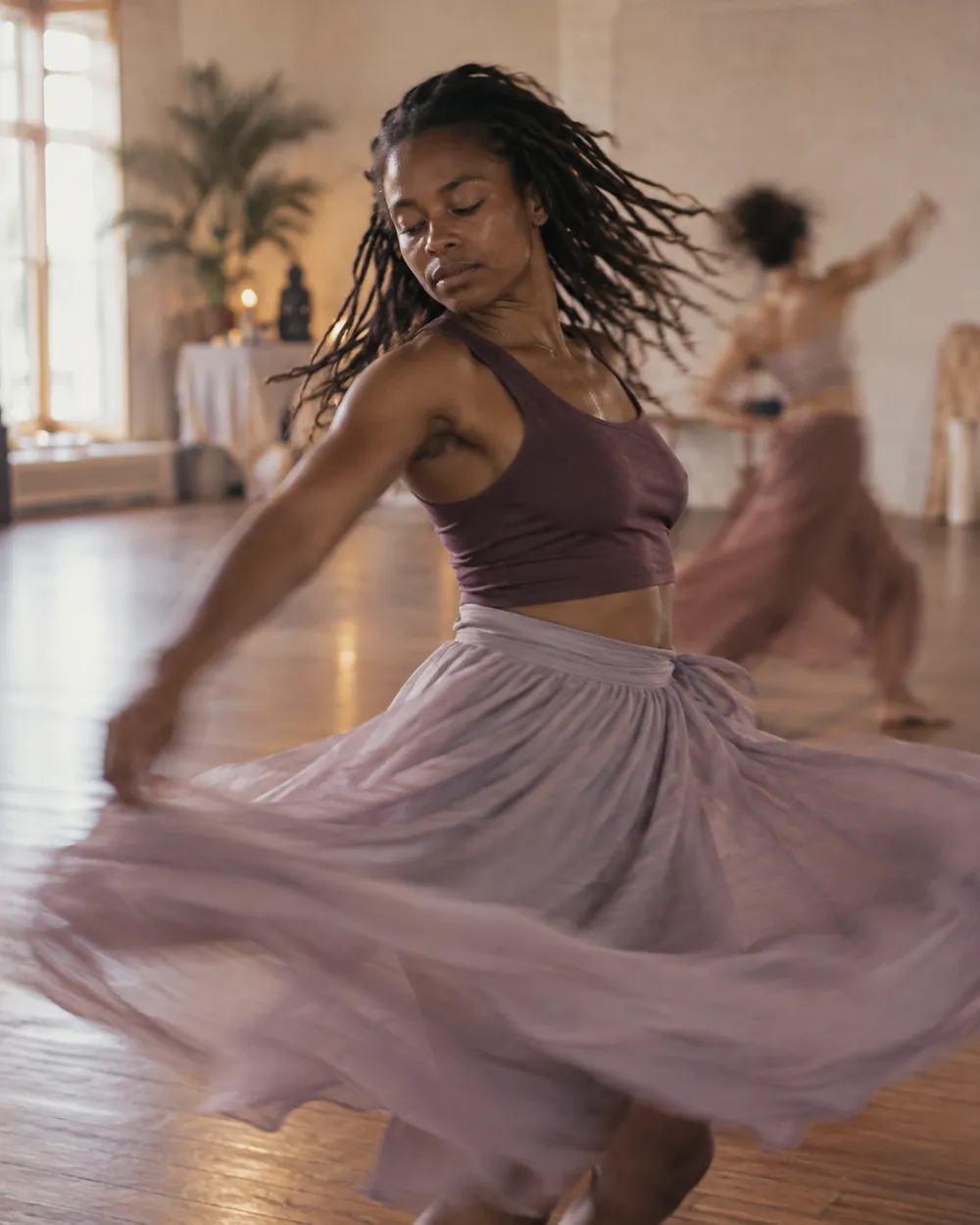
Upcoming Mind-Body Movement classes
Open a class to see the price, the place and the cancellation policy before you book.
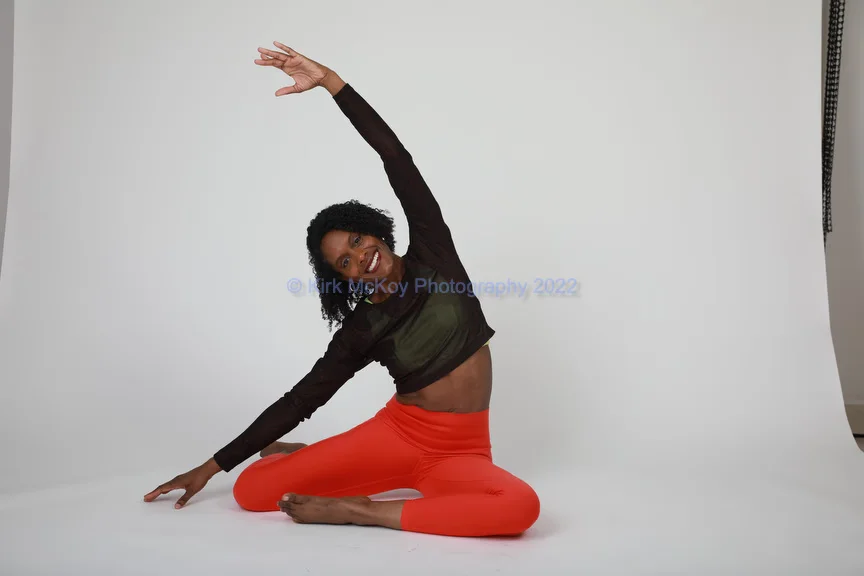

Teachers who offer Mind-Body Movement
Open a profile to see where they teach, their classes and prices, and the training they list.
No Mind-Body Movement teachers listed yet
Teachers and studios add their own classes, so this page fills in as they join. Until then, have a look at everyone you can book now.
Browse all teachersStyles you can book
Pick a style to see the Mind-Body Movement classes listed for it.
- Tai ChiA slow, flowing sequence of movements done standing.
- QigongSimple standing exercises that coordinate movement and breathing.
- Somatic MovementSlow movements that focus on how your body feels from the inside.
- FeldenkraisSmall, gentle movement sequences, often done lying on a mat.
- Alexander TechniqueLessons on how you sit, stand and move, usually one to one.
- 5RhythmsA guided free-dance practice that moves through five rhythms.
Find Mind-Body Movement near you
Cities where Mind-Body Movement teachers or classes are listed right now.
Cheyenne, US
Joshua Tree, US
Νάξος, GR

How to choose your first class
Tai Chi and Qigong are done standing, with slow, flowing movements and steady breathing. Tai Chi follows a set sequence of movements, called a form, that you learn a little at a time. Qigong uses short exercises that you repeat, so it's easier to follow from the first class.
Keep reading
Feldenkrais and the Alexander Technique are quieter still. Feldenkrais classes are often done lying on a mat, with small, gentle movements. The Alexander Technique is usually taught one to one and looks at how you sit, stand and walk.
If getting down to the floor is hard, choose Tai Chi or Qigong, or ask a Feldenkrais teacher whether you can work in a chair. If you have a health condition, check with your doctor and tell the teacher before you book.
Who these classes suit
- People who want slow, gentle movement rather than a workout
- Older adults looking for a standing class with no floor work
- Anyone curious about Tai Chi or Qigong who wants a patient teacher
- People who would like one-to-one lessons in Feldenkrais or the Alexander Technique
- People who enjoy practicing outdoors, when a teacher holds classes in a park
What to expect in a class
- What to wear
- Loose, comfortable clothes and flat shoes, or bare feet. Most classes need nothing else.
- Learning the movements
- Teachers show each movement slowly and repeat it. Feeling unsure for the first few classes is normal.
- Where classes happen
- Studios, parks, the teacher's home or online. The class page shows the address, and online classes send the meeting link when your booking confirms.
- Private lessons
- Private sessions last 30, 60, 90 or 120 minutes. They are a common way to learn Feldenkrais or the Alexander Technique.
How booking works
It works the same with every teacher and studio. You see the price and the cancellation policy before you pay.
No account needed
Book as a guest with your name and email. Your confirmation goes to that address.
Pay the way the class accepts
Card payments hold your spot for 30 minutes while you pay, and the booking confirms when the payment clears. Cash, other direct payments and free classes confirm straight away.
Clear cancellation rules
Each class uses a flexible, moderate or strict policy, shown on the class page. No policy refunds a cancellation made less than 24 hours before the class.
No booking fees
MoveMentors adds nothing on top of the price the teacher or studio sets.
Common questions about Mind-Body Movement
What is the difference between Tai Chi and Qigong?
Both come from China and use slow movement with steady breathing. Tai Chi follows a longer set sequence that you learn over weeks. Qigong uses short exercises that you repeat, so many people find it easier to follow at first.
Are these classes suitable for older adults?
Often, yes. These classes move slowly and can be done standing or seated. Read the class description, ask the teacher if you need a chair, and talk to your doctor first if you have a health condition.
Can I take Tai Chi or Qigong online?
Yes, when the teacher teaches online. Online classes run on Google Meet or Zoom and need a little space to stand. You get the meeting link when your booking confirms.
Do I need to be fit or flexible?
No. The movements are slow and small, and the teacher shows easier versions. Wear loose clothes and flat shoes.
Do I need an account to book?
No. You can book as a guest with your name and email, and the confirmation goes to that address. If you pay by card, your spot is held for 30 minutes while you pay, and the booking confirms when the payment clears. If you pay another way, such as cash, or the class is free, it confirms straight away.
What if I need to cancel?
Each class shows its cancellation policy before you book. With Flexible, you get a full refund up to 24 hours before the class. With Moderate, a full refund up to 48 hours before, then 50% until 24 hours before. With Strict, a full refund up to 7 days before, then 50% until 24 hours before. Whatever the policy, there's no refund if you cancel less than 24 hours before.
Find a slow movement class near you
Browse upcoming classes, or find a teacher for one-to-one lessons.

Do you teach Mind-Body Movement?
List your classes on MoveMentors and take bookings with no commission on class payments; card payments carry the usual Stripe fee. The Free plan costs nothing. Teacher Pro is $9.99 a month, and Studio Pro is $49 a month.