Movimento mente-corpo
Prenota tai chi, qigong, Feldenkrais e movimento somatico
MoveMentors raccoglie lezioni di tai chi, qigong, Feldenkrais, tecnica Alexander e movimento somatico di insegnanti indipendenti e piccoli studi. Sono pratiche lente, spesso fatte in piedi o da seduti. Ogni lezione mostra prezzo, orario, luogo e condizioni di cancellazione prima della prenotazione, e MoveMentors non aggiunge commissioni di prenotazione.
2 insegnanti insegnano Movimento mente-corpo su MoveMentors, in 2 città. Le lezioni di gruppo costano 20 $ USD a lezione. MoveMentors non aggiunge commissioni di prenotazione.
Prenota una lezione
Prossime lezioni di Movimento mente-corpo
Le prossime sessioni di insegnanti e studi su MoveMentors. Apri una lezione per vedere prezzo, luogo e condizioni di cancellazione prima di prenotare.
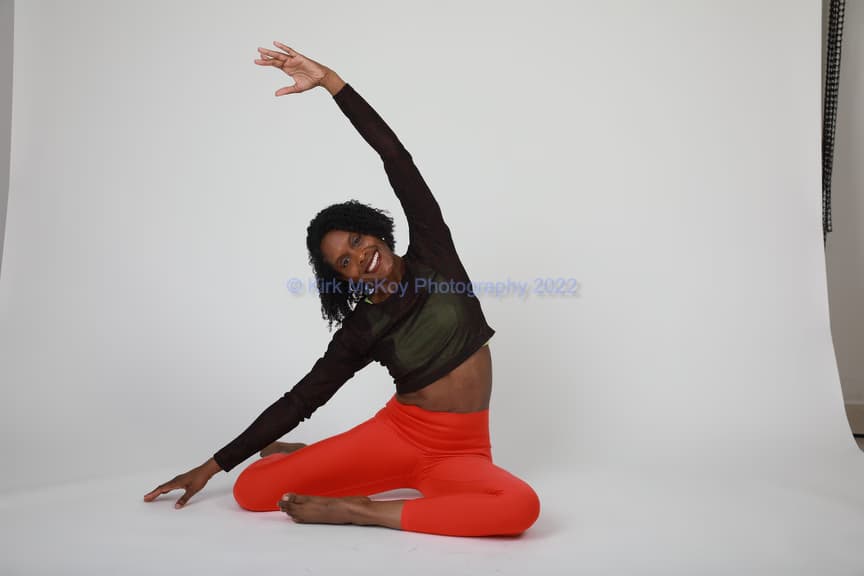 GruppoMovimento somatico
US Pilates For Social Dancers Class
20:00 GMT-4KKeva Price- GruppoMovimento somatico
US Pilates For Social Dancers Class
20:00 GMT-4KKeva Price - GruppoMovimento somatico
US Pilates For Social Dancers Class
20:00 GMT-4KKeva Price - GruppoMovimento somatico
US Pilates For Social Dancers Class
20:00 GMT-5KKeva Price
Insegnanti
Insegnanti di Movimento mente-corpo
Apri un profilo per vedere dove insegnano, le loro lezioni e i prezzi, e la formazione che indicano.
Ancora nessun insegnante di Movimento mente-corpo
Insegnanti e studi pubblicano da soli le proprie lezioni, quindi questa pagina si riempie man mano che arrivano. Nel frattempo, guarda chi puoi già prenotare.
Vedi tutti gli insegnantiPer città
Movimento mente-corpo vicino a te
Le città in cui ci sono ora insegnanti o lezioni di Movimento mente-corpo.
Joshua Tree, US
Νάξος, GR
Stili
Stili che puoi prenotare
Scegli uno stile per vedere le lezioni di Movimento mente-corpo disponibili.
- Tai ChiUna sequenza lenta e fluida di movimenti eseguita in piedi.
- QigongEsercizi semplici in piedi che coordinano movimento e respiro.
- Movimento somaticoMovimenti lenti centrati su come senti il corpo dall'interno.
- FeldenkraisSequenze di movimenti piccoli e delicati, spesso da sdraiati su un tappetino.
- Tecnica AlexanderLezioni su come ti siedi, stai in piedi e ti muovi, di solito individuali.
- 5 RitmiUna pratica guidata di danza libera che attraversa cinque ritmi.
Per iniziare
Come scegliere la tua prima lezione
Il tai chi e il qigong si praticano in piedi, con movimenti lenti e fluidi e un respiro calmo. Il tai chi segue una sequenza fissa di movimenti, chiamata forma, che si impara un po' alla volta. Il qigong usa esercizi brevi che si ripetono, quindi è più facile da seguire fin dalla prima lezione.
Il metodo Feldenkrais e la tecnica Alexander sono ancora più tranquilli. Le lezioni di Feldenkrais si fanno spesso sdraiati su un tappetino, con movimenti piccoli e delicati. La tecnica Alexander si insegna di solito individualmente e osserva come ti siedi, stai in piedi e cammini.
Se per te è difficile scendere a terra, scegli tai chi o qigong, oppure chiedi a un insegnante di Feldenkrais se puoi lavorare su una sedia. Se hai un problema di salute, chiedi al tuo medico e avvisa l'insegnante prima di prenotare.
Per chi è
Per chi sono queste lezioni
- Chi cerca un movimento lento e delicato invece di un allenamento
- Persone anziane che cercano una lezione in piedi, senza esercizi a terra
- Chi è curioso del tai chi o del qigong e vuole un insegnante paziente
- Chi vorrebbe lezioni individuali di Feldenkrais o di tecnica Alexander
- Chi ama praticare all'aperto, quando un insegnante tiene lezioni al parco
Cosa aspettarti
Cosa aspettarti da una lezione
Cosa indossare
Abiti comodi e morbidi e scarpe basse, oppure piedi nudi. Per la maggior parte delle lezioni non serve altro.
Imparare i movimenti
Gli insegnanti mostrano ogni movimento lentamente e lo ripetono. È normale sentirsi insicuri nelle prime lezioni.
Dove si svolgono le lezioni
In studi, parchi, a casa dell'insegnante o online. La pagina della lezione mostra l'indirizzo, e per le lezioni online ricevi il link quando la prenotazione è confermata.
Lezioni private
Le sessioni private durano 30, 60, 90 o 120 minuti. Sono un modo comune per imparare il Feldenkrais o la tecnica Alexander.
Prenotazione
Come funziona la prenotazione
Gli stessi passaggi con ogni insegnante e studio su MoveMentors. Vedi il prezzo e le condizioni di cancellazione prima di pagare.
Nessun account necessario
Prenota come ospite con nome ed email. La conferma arriva a quell'indirizzo.
Paga come previsto dalla lezione
Con la carta il tuo posto resta bloccato per 30 minuti mentre paghi, e la prenotazione è confermata quando il pagamento va a buon fine. Contanti, altri pagamenti diretti e lezioni gratuite sono confermati subito.
Regole di cancellazione chiare
Ogni lezione applica una politica flessibile, moderata o rigida, indicata nella sua pagina. Nessuna rimborsa una cancellazione fatta meno di 24 ore prima della lezione.
Nessuna commissione di prenotazione
MoveMentors non aggiunge nulla al prezzo fissato dall'insegnante o dallo studio.
Domande frequenti
Domande comuni su Movimento mente-corpo
Che differenza c'è tra tai chi e qigong?
Entrambi vengono dalla Cina e uniscono movimento lento e respiro calmo. Il tai chi segue una sequenza fissa più lunga, che si impara nel corso di settimane. Il qigong usa esercizi brevi che si ripetono, quindi molte persone lo trovano più facile da seguire all'inizio.
Queste lezioni sono adatte alle persone anziane?
Spesso sì. Sono lezioni lente che si possono fare in piedi o da seduti. Leggi la descrizione della lezione, chiedi all'insegnante se ti serve una sedia e parla prima con il tuo medico se hai un problema di salute.
Posso fare tai chi o qigong online?
Sì, quando l'insegnante tiene lezioni online. Le lezioni online sono su Google Meet o Zoom e serve un po' di spazio per stare in piedi. Ricevi il link quando la prenotazione è confermata.
Devo essere in forma o flessibile?
No. I movimenti sono lenti e piccoli, e l'insegnante mostra versioni più facili. Indossa abiti morbidi e scarpe basse.
Serve un account per prenotare?
No. Puoi prenotare come ospite con nome ed email, e la conferma arriva a quell'indirizzo. Con la carta il tuo posto resta bloccato per 30 minuti mentre paghi, e la prenotazione è confermata quando il pagamento va a buon fine. Se paghi in un altro modo, per esempio in contanti, o se la lezione è gratuita, la conferma è immediata.
E se devo cancellare?
Ogni lezione mostra le condizioni di cancellazione prima della prenotazione. Flessibile: rimborso completo fino a 24 ore prima della lezione. Moderata: rimborso completo fino a 48 ore prima, poi del 50% fino a 24 ore prima. Rigida: rimborso completo fino a 7 giorni prima, poi del 50% fino a 24 ore prima. Nessuna condizione rimborsa una cancellazione fatta meno di 24 ore prima.
Trova una lezione di movimento lento vicino a te
Esplora le prossime lezioni o trova un insegnante per lezioni individuali.
Per insegnanti e studi
Insegni Movimento mente-corpo?
Pubblica le tue lezioni su MoveMentors e ricevi prenotazioni senza commissioni sui pagamenti delle lezioni; i pagamenti con carta hanno la normale commissione di Stripe. Il piano Free non costa nulla. Pro per insegnanti costa 9,99 USD al mese, Pro per studi 49 USD al mese.