Boek Tai Chi, Qigong, Feldenkrais en somatische beweging
Op MoveMentors vind je lessen Tai Chi, Qigong, Feldenkrais, Alexandertechniek en somatische beweging van zelfstandige docenten en kleine studio's. Het zijn rustige bewegingsvormen, vaak staand of zittend. Op elke lespagina zie je de prijs, de tijd, de plek en de annuleringsvoorwaarden voordat je boekt, en MoveMentors rekent geen boekingskosten.
3 docenten geven les in Lichaam-en-geest-beweging op MoveMentors, in 3 steden. Groepslessen kosten $ 20 USD per les. MoveMentors rekent geen boekingskosten.
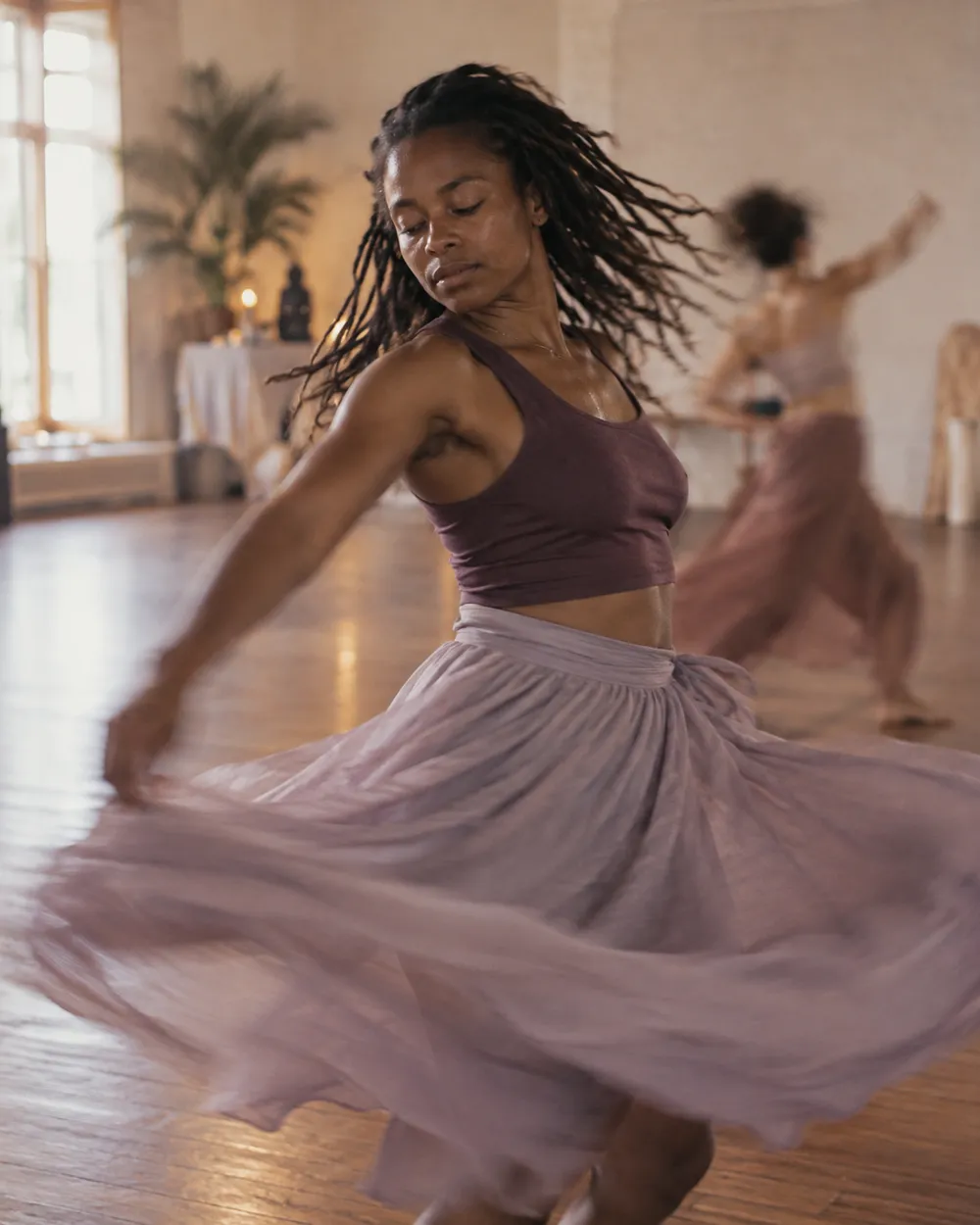
Komende lessen voor Lichaam-en-geest-beweging
Open een les om de prijs, de locatie en de annuleringsvoorwaarden te zien voordat je boekt.
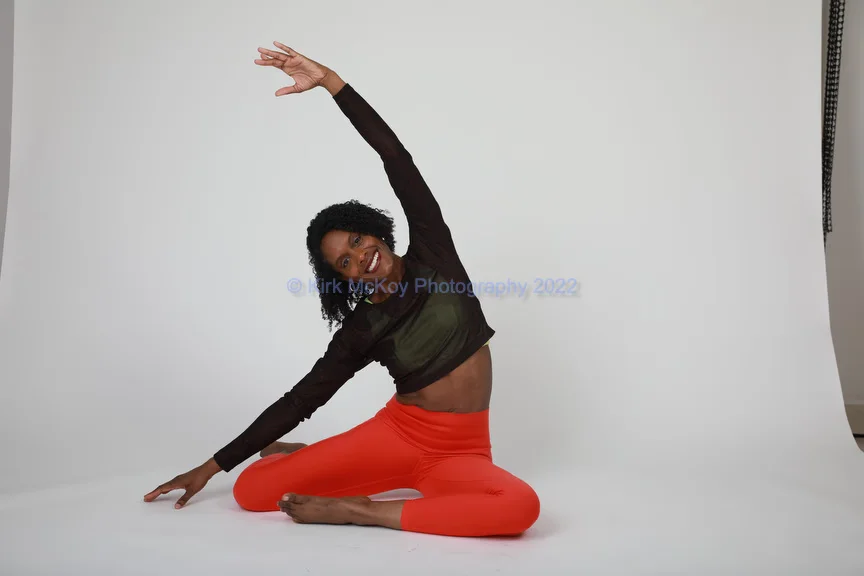
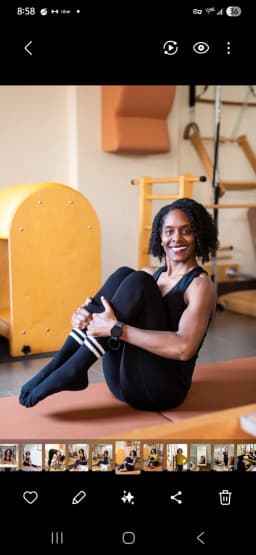
Docenten voor Lichaam-en-geest-beweging
Open een profiel om te zien waar ze lesgeven, welke lessen ze voor welke prijs aanbieden en welke opleiding ze vermelden.
Nog geen docenten voor Lichaam-en-geest-beweging
Docenten en studio's zetten hun lessen zelf online, dus deze pagina vult zich naarmate ze erbij komen. Kijk tot die tijd gerust bij iedereen die je nu al kunt boeken.
Bekijk alle docentenStijlen die je kunt boeken
Kies een stijl om de lessen voor Lichaam-en-geest-beweging in die stijl te zien.
- Tai chiEen langzame, vloeiende reeks bewegingen die je staand doet.
- QigongEenvoudige staande oefeningen waarin beweging en ademhaling samengaan.
- Somatische bewegingLangzame bewegingen met aandacht voor hoe je je lichaam van binnen voelt.
- FeldenkraisReeksen kleine, zachte bewegingen, vaak liggend op een mat.
- AlexandertechniekLessen over hoe je zit, staat en beweegt, meestal één op één.
- 5 RitmesEen begeleide vrije dans die door vijf ritmes gaat.
Lichaam-en-geest-beweging bij jou in de buurt
Steden waar nu docenten of lessen voor Lichaam-en-geest-beweging te vinden zijn.

Zo kies je je eerste les
Tai chi en Qigong doe je staand, met langzame, vloeiende bewegingen en een rustige ademhaling. Tai chi volgt een vaste reeks bewegingen, de vorm, die je stukje bij beetje leert. Qigong bestaat uit korte oefeningen die je herhaalt, dus het is vanaf de eerste les makkelijker te volgen.
Verder lezen
De Feldenkraismethode en de Alexandertechniek zijn nog rustiger. Feldenkraislessen doe je vaak liggend op een mat, met kleine, zachte bewegingen. De Alexandertechniek wordt meestal één op één gegeven en kijkt naar hoe je zit, staat en loopt.
Kom je moeilijk op de grond, kies dan Tai Chi of Qigong, of vraag een Feldenkraisdocent of je op een stoel kunt werken. Heb je een gezondheidsprobleem, overleg dan met je huisarts en laat het de docent weten voordat je boekt.
Voor wie deze lessen zijn
- Mensen die liever rustig en zacht bewegen dan een workout doen
- Ouderen die een staande les zonder oefeningen op de grond zoeken
- Wie nieuwsgierig is naar Tai Chi of Qigong en een geduldige docent wil
- Mensen die graag privéles in Feldenkrais of de Alexandertechniek willen
- Wie graag buiten oefent, als een docent les geeft in een park
Wat je kunt verwachten in een les
- Wat je aantrekt
- Losse, comfortabele kleding en platte schoenen, of blote voeten. Voor de meeste lessen heb je verder niets nodig.
- De bewegingen leren
- Docenten doen elke beweging langzaam voor en herhalen die. Het is normaal dat je je de eerste lessen nog onzeker voelt.
- Waar de lessen zijn
- In studio's, parken, bij de docent thuis of online. Op de lespagina staat het adres, en bij online lessen krijg je de link zodra je boeking is bevestigd.
- Privélessen
- Privésessies duren 30, 60, 90 of 120 minuten. Zo worden Feldenkrais en de Alexandertechniek vaak geleerd.
Zo werkt boeken
Het werkt hetzelfde bij elke docent en studio. Je ziet de prijs en de annuleringsvoorwaarden voordat je betaalt.
Geen account nodig
Boek als gast met je naam en e-mailadres. De bevestiging gaat naar dat adres.
Betaal zoals de les het aanbiedt
Bij betaling met een kaart houden we je plek 30 minuten vast terwijl je betaalt, en de boeking is bevestigd zodra de betaling rond is. Contant, andere directe betalingen en gratis lessen zijn meteen bevestigd.
Duidelijke annuleringsregels
Elke les heeft een flexibel, gematigd of streng annuleringsbeleid, dat op de lespagina staat. Geen enkel beleid betaalt terug als je binnen 24 uur voor de les annuleert.
Geen boekingskosten
MoveMentors rekent niets bovenop de prijs die de docent of studio vraagt.
Veelgestelde vragen over Lichaam-en-geest-beweging
Wat is het verschil tussen Tai Chi en Qigong?
Beide komen uit China en combineren langzame bewegingen met een rustige ademhaling. Tai chi volgt een langere vaste reeks die je in een aantal weken leert. Qigong bestaat uit korte oefeningen die je herhaalt, dus veel mensen vinden het in het begin makkelijker te volgen.
Zijn deze lessen geschikt voor ouderen?
Vaak wel. Deze lessen gaan langzaam en kunnen staand of zittend. Lees de lesbeschrijving, vraag de docent of je een stoel nodig hebt en overleg eerst met je huisarts als je een gezondheidsprobleem hebt.
Kan ik Tai Chi of Qigong online doen?
Ja, als de docent online lesgeeft. Online lessen gaan via Google Meet of Zoom en je hebt wat ruimte nodig om te staan. Je krijgt de link zodra je boeking is bevestigd.
Moet ik fit of lenig zijn?
Nee. De bewegingen zijn langzaam en klein, en de docent laat makkelijkere varianten zien. Draag losse kleding en platte schoenen.
Heb ik een account nodig om te boeken?
Nee. Je kunt als gast boeken met je naam en e-mailadres, en de bevestiging gaat naar dat adres. Betaal je met een kaart, dan houden we je plek 30 minuten vast terwijl je betaalt. Zodra de betaling rond is, is je boeking bevestigd. Betaal je op een andere manier, bijvoorbeeld contant, of is de les gratis, dan is je boeking meteen bevestigd.
Wat als ik moet annuleren?
Bij elke les zie je de annuleringsvoorwaarden voordat je boekt. Flexibel: je krijgt alles terug tot 24 uur voor de les. Gematigd: alles terug tot 48 uur vooraf, daarna 50% tot 24 uur vooraf. Streng: alles terug tot 7 dagen vooraf, daarna 50% tot 24 uur vooraf. Annuleer je binnen 24 uur voor de les, dan krijg je bij geen van de drie iets terug.
Vind een rustige bewegingsles bij jou in de buurt
Bekijk de komende lessen of zoek een docent voor privéles.

Geef je les in Lichaam-en-geest-beweging?
Zet je lessen op MoveMentors en ontvang boekingen zonder commissie op lesbetalingen; voor kaartbetalingen geldt de gewone Stripe-vergoeding. Het abonnement Gratis kost niets. Pro voor docenten kost US$ 9,99 per maand en Pro voor studio's US$ 49 per maand.