Mind-Body-Bewegung
Buche Tai-Chi, Qigong, Feldenkrais und somatische Bewegung
MoveMentors listet Kurse für Tai-Chi, Qigong, Feldenkrais, Alexander-Technik und somatische Bewegung von unabhängigen Lehrkräften und kleinen Studios. Das sind langsame Praktiken, oft im Stehen oder Sitzen. Jede Kursseite zeigt Preis, Uhrzeit, Ort und Stornobedingungen, bevor du buchst, und MoveMentors erhebt keine Buchungsgebühr.
2 Lehrkräfte unterrichten Geist-Körper-Bewegung auf MoveMentors, in 2 Städten. Gruppenkurse kosten 20 $ USD pro Kurs. MoveMentors erhebt keine Buchungsgebühr.
Einen Kurs buchen
Die nächsten Kurse für Geist-Körper-Bewegung
Die nächsten Termine von Lehrkräften und Studios auf MoveMentors. Öffne einen Kurs, um Preis, Ort und Stornobedingungen vor der Buchung zu sehen.
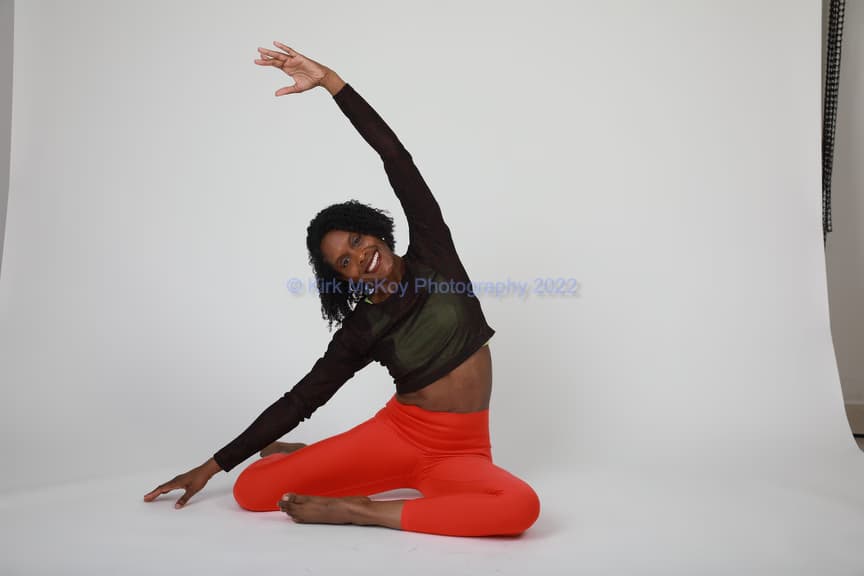 GruppeSomatische Bewegung
US Pilates For Social Dancers Class
20:00 GMT-4KKeva Price- GruppeSomatische Bewegung
US Pilates For Social Dancers Class
20:00 GMT-4KKeva Price - GruppeSomatische Bewegung
US Pilates For Social Dancers Class
20:00 GMT-4KKeva Price - GruppeSomatische Bewegung
US Pilates For Social Dancers Class
20:00 GMT-5KKeva Price
Lehrkräfte
Lehrkräfte für Geist-Körper-Bewegung
Öffne ein Profil, um zu sehen, wo sie unterrichten, welche Kurse sie zu welchem Preis anbieten und welche Ausbildung sie angeben.
Noch keine Lehrkräfte für Geist-Körper-Bewegung
Lehrkräfte und Studios stellen ihre Kurse selbst ein, deshalb füllt sich diese Seite, sobald sie dazukommen. Bis dahin findest du alle, die du jetzt schon buchen kannst.
Alle Lehrkräfte ansehenNach Stadt
Geist-Körper-Bewegung in deiner Nähe
Städte, in denen gerade Lehrkräfte oder Kurse für Geist-Körper-Bewegung eingetragen sind.
Joshua Tree, US
Νάξος, GR
Stile
Stile, die du buchen kannst
Wähle einen Stil, um die Kurse für Geist-Körper-Bewegung in diesem Stil zu sehen.
- Tai-ChiEine langsame, fließende Abfolge von Bewegungen im Stehen.
- QigongEinfache Übungen im Stehen, die Bewegung und Atem aufeinander abstimmen.
- Somatische BewegungLangsame Bewegungen, bei denen du darauf achtest, wie sich dein Körper von innen anfühlt.
- FeldenkraisKleine, sanfte Bewegungsabfolgen, oft im Liegen auf einer Matte.
- Alexander-TechnikUnterricht dazu, wie du sitzt, stehst und dich bewegst, meist einzeln.
- 5 RhythmenEine angeleitete Praxis des freien Tanzens, die durch fünf Rhythmen führt.
Der Einstieg
So wählst du deinen ersten Kurs
Tai-Chi und Qigong übst du im Stehen, mit langsamen, fließenden Bewegungen und ruhigem Atem. Tai-Chi folgt einer festen Abfolge von Bewegungen, der sogenannten Form, die du Stück für Stück lernst. Qigong besteht aus kurzen Übungen, die du wiederholst, und ist deshalb schon ab der ersten Stunde leichter mitzumachen.
Feldenkrais und die Alexander-Technik sind noch ruhiger. Feldenkrais-Kurse finden oft im Liegen auf einer Matte statt, mit kleinen, sanften Bewegungen. Die Alexander-Technik wird meist im Einzelunterricht vermittelt und schaut darauf, wie du sitzt, stehst und gehst.
Wenn es dir schwerfällt, auf den Boden zu kommen, wähl Tai-Chi oder Qigong, oder frag eine Feldenkrais-Lehrkraft, ob du auf einem Stuhl üben kannst. Wenn du eine gesundheitliche Einschränkung hast, sprich vorher mit deiner Ärztin oder deinem Arzt und sag der Lehrkraft Bescheid, bevor du buchst.
Für wen es ist
Für wen diese Kurse passen
- Menschen, die langsame, sanfte Bewegung suchen statt eines Workouts
- Ältere Menschen, die einen Kurs im Stehen ohne Übungen am Boden suchen
- Alle, die neugierig auf Tai-Chi oder Qigong sind und sich eine geduldige Lehrkraft wünschen
- Menschen, die Einzelunterricht in Feldenkrais oder der Alexander-Technik möchten
- Menschen, die gern draußen üben, wenn eine Lehrkraft Kurse im Park anbietet
Was dich erwartet
Was dich in einem Kurs erwartet
Was du anziehst
Lockere, bequeme Kleidung und flache Schuhe, oder du übst barfuß. Mehr brauchst du für die meisten Kurse nicht.
Die Bewegungen lernen
Die Lehrkraft zeigt jede Bewegung langsam und wiederholt sie. Dass du dich in den ersten Stunden unsicher fühlst, ist normal.
Wo die Kurse stattfinden
In Studios, in Parks, bei der Lehrkraft zu Hause oder online. Die Kursseite zeigt die Adresse, und bei Online-Kursen kommt der Meeting-Link, sobald deine Buchung bestätigt ist.
Einzelunterricht
Einzelstunden dauern 30, 60, 90 oder 120 Minuten. So wird Feldenkrais oder die Alexander-Technik häufig gelernt.
Buchung
So funktioniert die Buchung
Bei allen Lehrkräften und Studios auf MoveMentors gleich. Preis und Stornobedingungen siehst du, bevor du bezahlst.
Kein Konto nötig
Buche als Gast mit Namen und E-Mail-Adresse. Die Bestätigung geht an diese Adresse.
Bezahlen, wie der Kurs es anbietet
Bei Kartenzahlung halten wir deinen Platz 30 Minuten frei, während du bezahlst, und die Buchung ist bestätigt, sobald die Zahlung durch ist. Bei Barzahlung, anderen direkten Zahlungen und kostenlosen Kursen ist sie sofort bestätigt.
Klare Stornoregeln
Jeder Kurs hat eine flexible, moderate oder strenge Stornoregel, die auf der Kursseite steht. Keine davon erstattet eine Absage, die weniger als 24 Stunden vor dem Kurs kommt.
Keine Buchungsgebühren
MoveMentors schlägt nichts auf den Preis auf, den die Lehrkraft oder das Studio festlegt.
Häufig gefragt
Häufige Fragen zu Geist-Körper-Bewegung
Was ist der Unterschied zwischen Tai-Chi und Qigong?
Beide stammen aus China und verbinden langsame Bewegung mit ruhigem Atem. Tai-Chi folgt einer längeren festen Abfolge, die du über Wochen lernst. Qigong besteht aus kurzen Übungen, die du wiederholst, deshalb finden viele Menschen den Einstieg leichter.
Sind diese Kurse für ältere Menschen geeignet?
Oft ja. Diese Kurse sind langsam und lassen sich im Stehen oder Sitzen machen. Lies die Kursbeschreibung, frag die Lehrkraft, wenn du einen Stuhl brauchst, und sprich vorher mit deiner Ärztin oder deinem Arzt, wenn du eine gesundheitliche Einschränkung hast.
Kann ich Tai-Chi oder Qigong online machen?
Ja, wenn die Lehrkraft online unterrichtet. Online-Kurse laufen über Google Meet oder Zoom, und du brauchst etwas Platz zum Stehen. Den Meeting-Link bekommst du, sobald deine Buchung bestätigt ist.
Muss ich fit oder beweglich sein?
Nein. Die Bewegungen sind langsam und klein, und die Lehrkraft zeigt leichtere Varianten. Trag lockere Kleidung und flache Schuhe.
Brauche ich ein Konto, um zu buchen?
Nein. Du kannst als Gast mit deinem Namen und deiner E-Mail-Adresse buchen, und die Bestätigung geht an diese Adresse. Bei Kartenzahlung ist dein Platz 30 Minuten für dich reserviert, während du bezahlst, und die Buchung ist bestätigt, sobald die Zahlung eingegangen ist. Zahlst du anders, zum Beispiel bar, oder ist der Kurs kostenlos, ist die Buchung sofort bestätigt.
Was ist, wenn ich absagen muss?
Jeder Kurs zeigt seine Stornobedingungen, bevor du buchst. Flexibel: volle Rückerstattung bis 24 Stunden vor dem Kurs. Moderat: volle Rückerstattung bis 48 Stunden vorher, danach 50 % bis 24 Stunden vorher. Streng: volle Rückerstattung bis 7 Tage vorher, danach 50 % bis 24 Stunden vorher. Stornierst du weniger als 24 Stunden vor dem Kurs, gibt es bei keiner Stornoregel eine Rückerstattung.
Finde einen ruhigen Bewegungskurs in deiner Nähe
Sieh dir die nächsten Kurse an oder finde eine Lehrkraft für Einzelunterricht.
Für Lehrkräfte und Studios
Du unterrichtest Geist-Körper-Bewegung?
Stell deine Kurse auf MoveMentors ein und nimm Buchungen ohne Provision auf Kurszahlungen an; für Kartenzahlungen fällt die übliche Stripe-Gebühr an. Der Tarif Kostenlos kostet nichts. Pro für Lehrkräfte kostet 9,99 $ im Monat, Pro für Studios 49 $ im Monat.